Docs
How the graveyard works: from a death certificate to a coffin that draws for pieces of a SpaceX share.
 Death certificateWhat it shows for any wallet: its memecoins on the list of the dead, the loss on each and an epitaph.
 Tries1 try for each $100 lost on a coin on the list, dead or still trading, up to 20 per token. Your shovel multiplies them.
 Burying and openingWhat is left of the coin is sold for $RUGS or, if it can't be sold, burns; a coffin seals, and a moment later every try draws at once.
 PrizesCrumb, piece, share and legend: what each try can find and how the odds can change every 30 minutes.
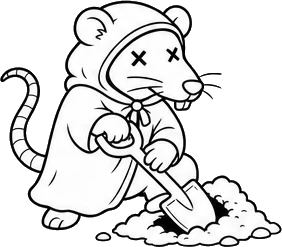 ShovelsStake $RUGS to bury. 4 levels, a 10-minute warm-up, a 24-hour withdrawal and a share of the trading fee.
 Burn $RUGS for more tries3 tries per $1 of $RUGS, up to $200 a round. 70% burns, 30% goes to shovels. Bought tries draw at the current odds, but never above ×1.
 FinaleAt the end of the season one coffin wins half of what is left in the bank; the other half stays in the bank for season 2.
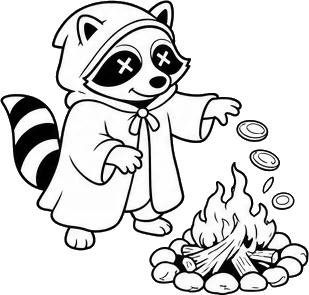 BuybackWhen $RUGS drops 15% below its high of the last 60 minutes, the fund buys and burns.
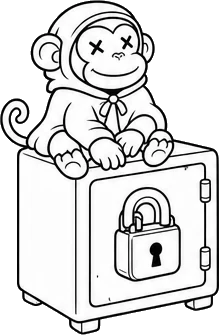 Who can move the moneyWhat the team, the keeper and the contract can and cannot do.
 RisksWhat can still go wrong, said plainly.
 Link a Fomo walletPost a thesis under $RUGS in Fomo, then bury that wallet's losses from your own wallet.
 Link a pump.fun walletPut one line in your pump.fun bio, then bury that wallet's losses from your own wallet.
 Link a GMGN walletWithdraw an exact tiny amount of ETH from GMGN, then bury that wallet's losses from your own wallet.